
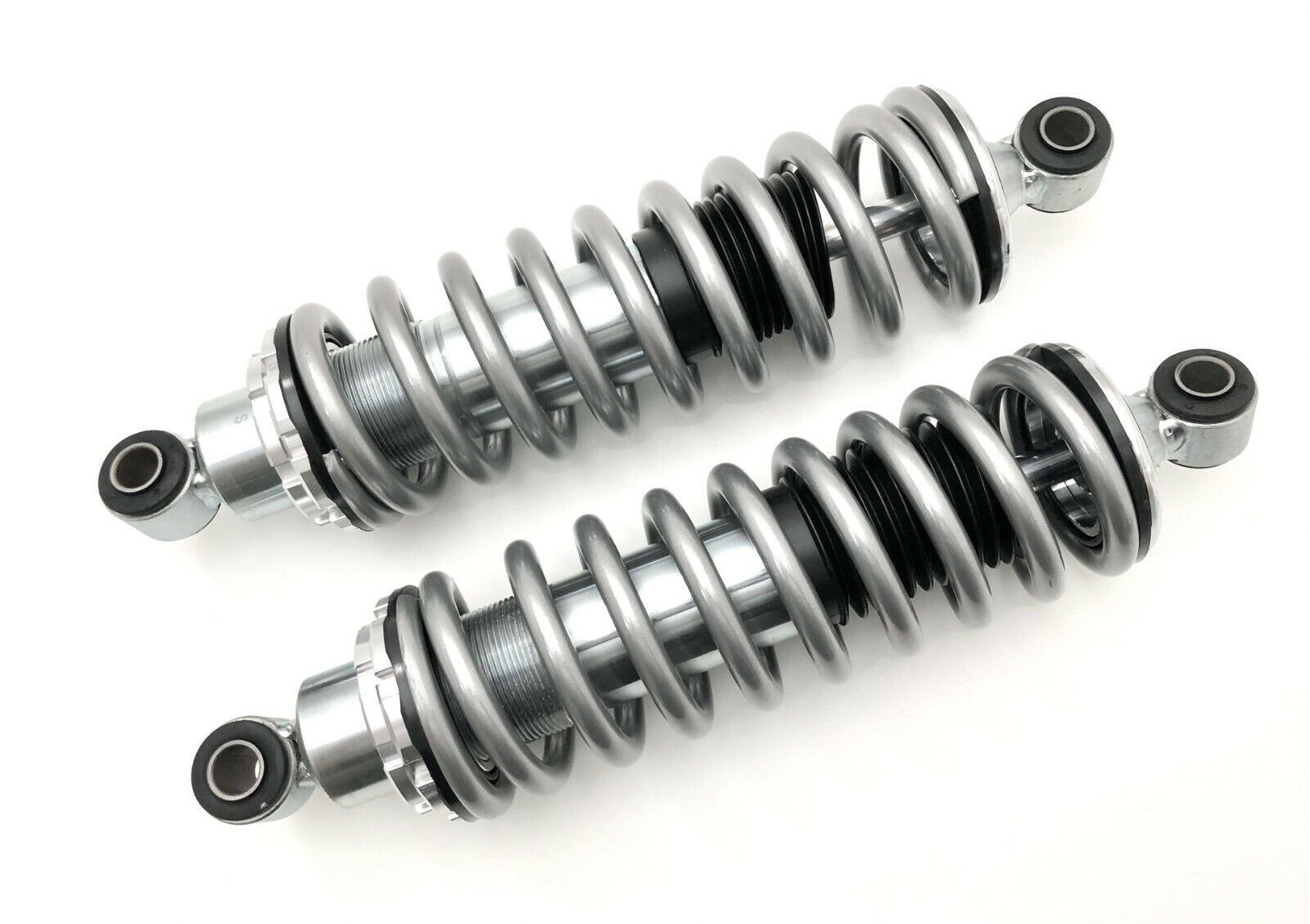
Suspension systems are the unsung heroes of a vehicle, quietly working to ensure a smooth and controlled ride. Comprising various components like shocks, struts, springs, and linkages, the suspension plays a crucial role in maintaining tire contact with the road surface. Beyond providing comfort to passengers, a well-tuned suspension system contributes to handling and stability, especially during turns and uneven terrain. Different suspension setups, such as independent or solid axles, offer distinct advantages depending on the vehicle's intended use, whether it be for off-roading, performance driving, or daily commuting. The balance between ride comfort and responsive handling is achieved through careful engineering, and advancements like adaptive suspension systems further enhance the adaptability of a vehicle to different driving conditions. In essence, the suspension system is a cornerstone of the driving experience, influencing both safety and performance on the road.
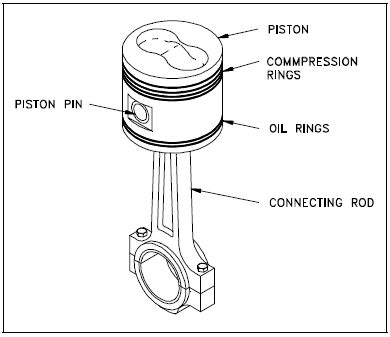
Engines serve as the beating heart of any vehicle, converting fuel into mechanical energy to propel the vehicle forward. They come in various types, including internal combustion engines, electric motors, and hybrids that combine both. The efficiency and power of an engine are often measured in terms of horsepower and torque. Modern engines employ advanced technologies such as turbocharging, direct injection, and variable valve timing to enhance performance and fuel efficiency. Additionally, considerations like engine displacement, cylinder configuration, and fuel delivery systems play crucial roles in determining the characteristics of an engine. Whether it's the roar of a high-performance sports car engine or the silent hum of an electric motor, engines are integral to the driving experience, influencing both the vehicle's performance and environmental impact.

Selecting the right brakes for a performance car is a pivotal decision that influences both safety and driving dynamics. For daily driving or occasional spirited drives, high-quality OEM replacement brake pads and rotors may suffice. However, for more aggressive driving and optimal stopping power, upgrading to performance brake kits becomes essential. Consider factors such as brake pad material (ceramic, semi-metallic, or organic), rotor type (slotted, drilled, or a combination), and the potential upgrade of calipers for improved performance. Heat dissipation is critical in performance driving, making features like vented rotors and effective heat-resistant components crucial. Additionally, upgrading to high-performance brake fluid with a higher boiling point helps prevent brake fade during intense driving sessions. Compatibility with your specific make and model, budget considerations, and installation requirements should also be taken into account. Thorough research, user reviews, and expert advice are essential for making an informed decision tailored to your performance goals and driving conditions.